
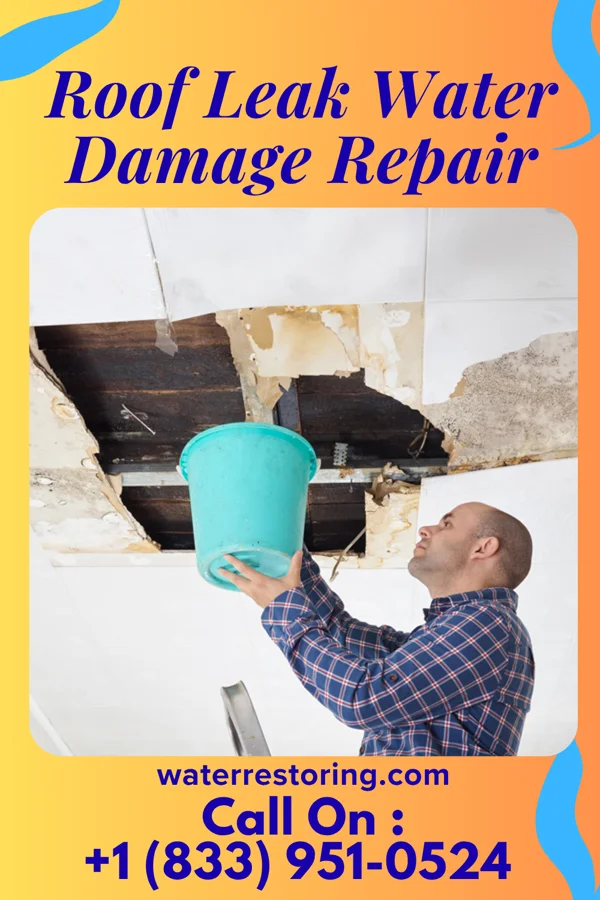
Why Roof Leaks Hit North Cleveland Hard
The pattern in North Cleveland is consistent. North Cleveland experiences frequent thunderstorms and heavy rainfall, especially during the summer months, which can lead to sudden roof leaks and water damage. The region's flat terrain and proximity to water sources like the Trinity River increase the risk of water pooling on rooftops. These conditions often result in rapid water infiltration, especially in older or improperly maintained structures. drives most of the emergency restoration calls we get. A close second is The area is also prone to high humidity and prolonged periods of overcast skies, which can contribute to condensation and moisture buildup within homes. This, combined with occasional high winds, can cause damage to roofing materials and lead to persistent leaks even after rain has stopped..
The combination of frequent rainfall, high humidity, and occasional severe weather creates a challenging environment for roof integrity. Water can seep into homes through damaged or worn roofing materials, leading to mold growth, structural damage, and long-term health risks for residents.
The combination of frequent rainfall, high humidity, and occasional severe weather creates a challenging environment for roof integrity. Water can seep into homes through damaged or worn roofing materials, leading to mold growth, structural damage, and long-term health risks for residents. The dominant local driver is North Cleveland experiences frequent thunderstorms and heavy rainfall, especially during the summer months, which can lead to sudden roof leaks and water damage. The region's flat terrain and proximity to water sources like the Trinity River increase the risk of water pooling on rooftops. These conditions often result in rapid water infiltration, especially in older or improperly maintained structures., with The area is also prone to high humidity and prolonged periods of overcast skies, which can contribute to condensation and moisture buildup within homes. This, combined with occasional high winds, can cause damage to roofing materials and lead to persistent leaks even after rain has stopped. showing up as the next most common cause. Damage builds in stages. Spread. Absorption. Microbial growth. Structural compromise. Every stage you pass through adds to the final bill.